
Trump links reduction in Korea war games to Seoul's refusal to back US Iran effort and his rapport with North Korea's Kim Jong Un.
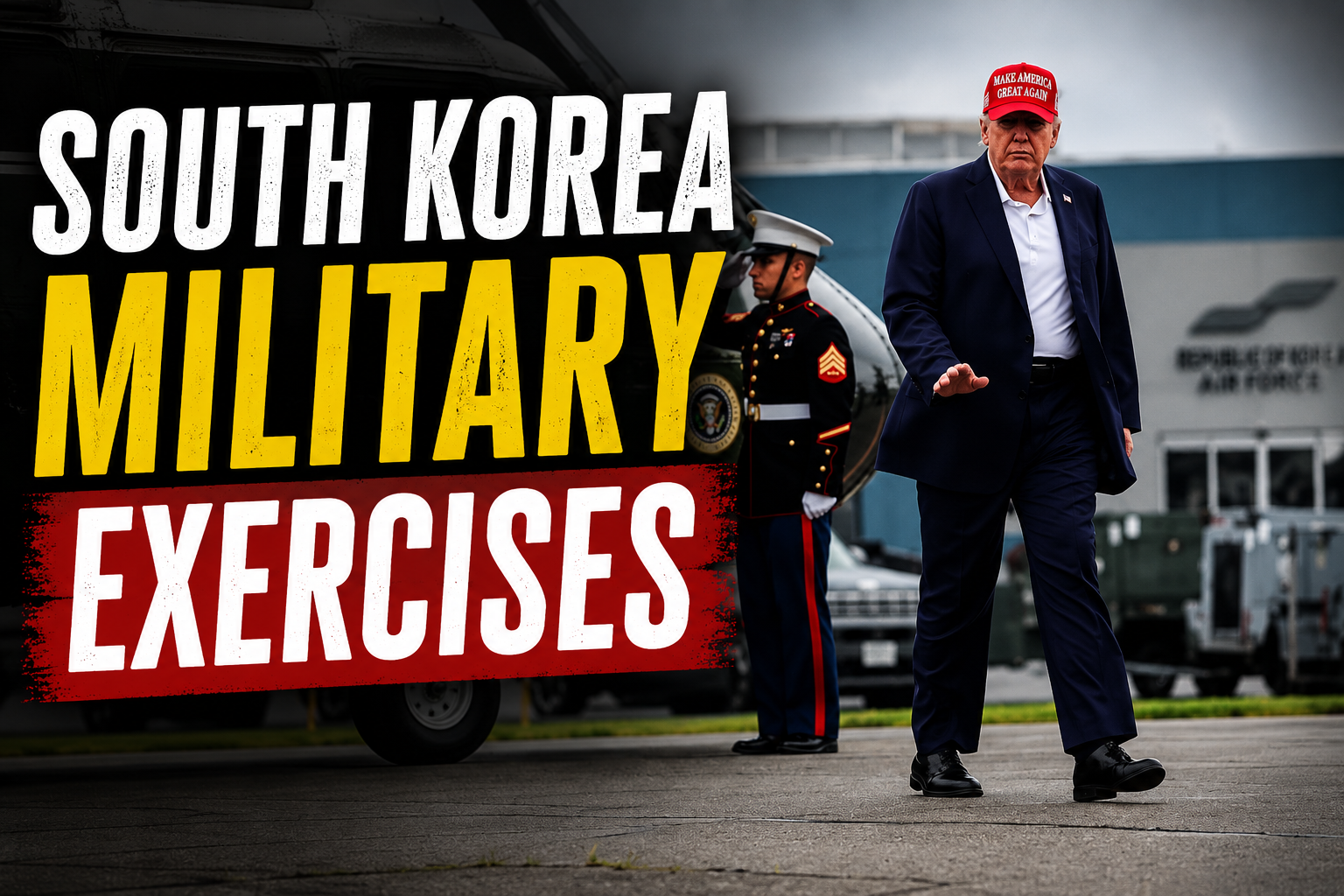
President Donald Trump announced on Sunday, 16 August 2026, that the United States will substantially reduce planned joint military exercises with South Korea, saying he had instructed Defense Secretary Pete Hegseth to scale back the drills. Trump made the announcement in a post on his Truth Social platform, tying the decision to South Korea's refusal to join U.S. efforts against Iran and to what he described as his "very good relationship" with North Korean leader Kim Jong Un. The exercises had been scheduled to begin this week, and Trump said it was "too late to cancel" them entirely, but that he wanted them significantly cut back.
The announcement, reported by Reuters, the BBC, AP and other outlets, marks a significant shift in the U.S. security posture on the Korean Peninsula and introduces an explicit link between a Middle East conflict and America's East Asian alliance commitments. As of the initial wave of reporting, neither the South Korean government in Seoul nor North Korean officials in Pyongyang had issued a public response to Trump's statement.
Trump's Reasoning: Cost, Kim Jong Un and 'Hostile' Signals
In his Truth Social post, Trump characterized the joint exercises as expensive, saying the United States covers "a significant portion of these costs (as usual!)" He argued that the drills "send a signal that is totally inappropriate and hostile" toward North Korea, language repeated across AP-style coverage of the announcement.
Central to Trump's justification was his description of his personal relationship with Kim Jong Un as "very good." He suggested that this rapport made large-scale joint exercises unnecessary, a rationale that echoes arguments he made in 2018, when he suspended major war games with South Korea shortly after his first summit with Kim in Singapore. At that time, Trump called the drills "provocative" and pointed to their cost as justification for halting them, though he warned they could be "instantly" relaunched if talks with North Korea faltered.
The Iran Connection: 'No Thanks!' From Seoul
Trump directly connected the drills decision to a separate dispute over Iran. According to his Truth Social post, as quoted by Reuters, Trump said: "While somewhat unrelated (?), I recently asked the President of South Korea if they would like to join us in the Denuclearization of the Islamic Republic of Iran, and they said, 'No thanks!'"
Multiple outlets, including AP and the BBC, framed the story around South Korea's decision to stay out of Trump's broader campaign against Iran, which has included U.S. military strikes described by Trump as hitting Iran "very hard" and as being carried out "in honour" of American soldiers killed in the region. Trump has previously said he was considering "winding down" the Iran war as U.S. objectives were being met, underscoring that the Iran campaign remains an active and evolving conflict alongside the Korea decision.
The precise nature of what the United States asked South Korea to contribute — whether troops, logistical support, sanctions enforcement or diplomatic backing — has not been detailed in current reporting. There is also no independent confirmation from Seoul of the conversation Trump described, leaving his account of the exchange as an unverified claim rather than a confirmed fact.
Instructions to the Pentagon and Unanswered Questions
Trump said he had instructed "Secretary of War, Pete Hegseth," to "substantially reduce the Joint Military Exercises," using a title for Hegseth that differs from his formal role as Defense Secretary. No Pentagon statement detailing how the reduction will be implemented has been reported. It remains unclear which specific components of the exercises — such as live-fire drills, command-post simulations, or air and naval operations — will be cut, and whether the reduction extends beyond the immediate exercise cycle.
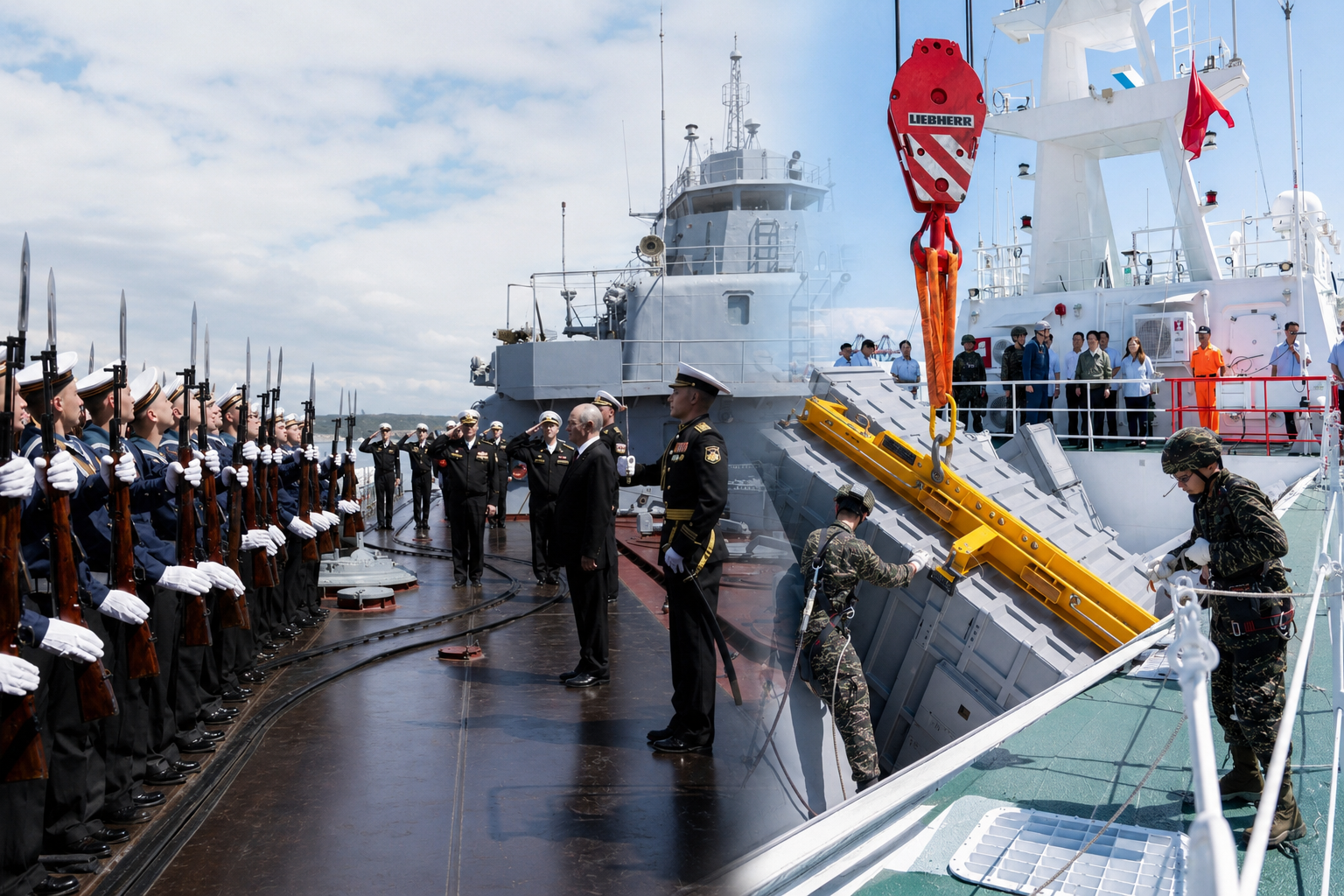
Roughly 28,500 U.S. troops are stationed in South Korea, and Trump has long complained that Washington shoulders too much of the financial burden for allied defense arrangements there. His renewed emphasis on the cost of the drills revisits that longstanding grievance.
Echoes of 2018 and Questions Over Alliance Readiness
Trump's move recalls his 2018 decision to suspend major exercises with South Korea following the Singapore summit, a move that reportedly caught both the Pentagon and the South Korean government by surprise at the time. Defense officials later cautioned that scaling back or suspending joint drills for extended periods could weaken combined military readiness and complicate deterrence efforts against North Korea.
Following the 2018 suspension, the Pentagon publicly reaffirmed its "ironclad" security commitments to allies, seeking to reassure Seoul and Tokyo despite the disruption. Whether a similar reassurance will follow this latest reduction has not yet been reported. For now, the story rests on Trump's own account of his decision and reasoning, with no independent verification from South Korea, North Korea, or the Pentagon regarding the scope of the cutback or the Iran-related claims underpinning it.