
Internal Pentagon analysis examines whether to rebuild damaged Gulf bases or shift forces westward after months of Iranian strikes.
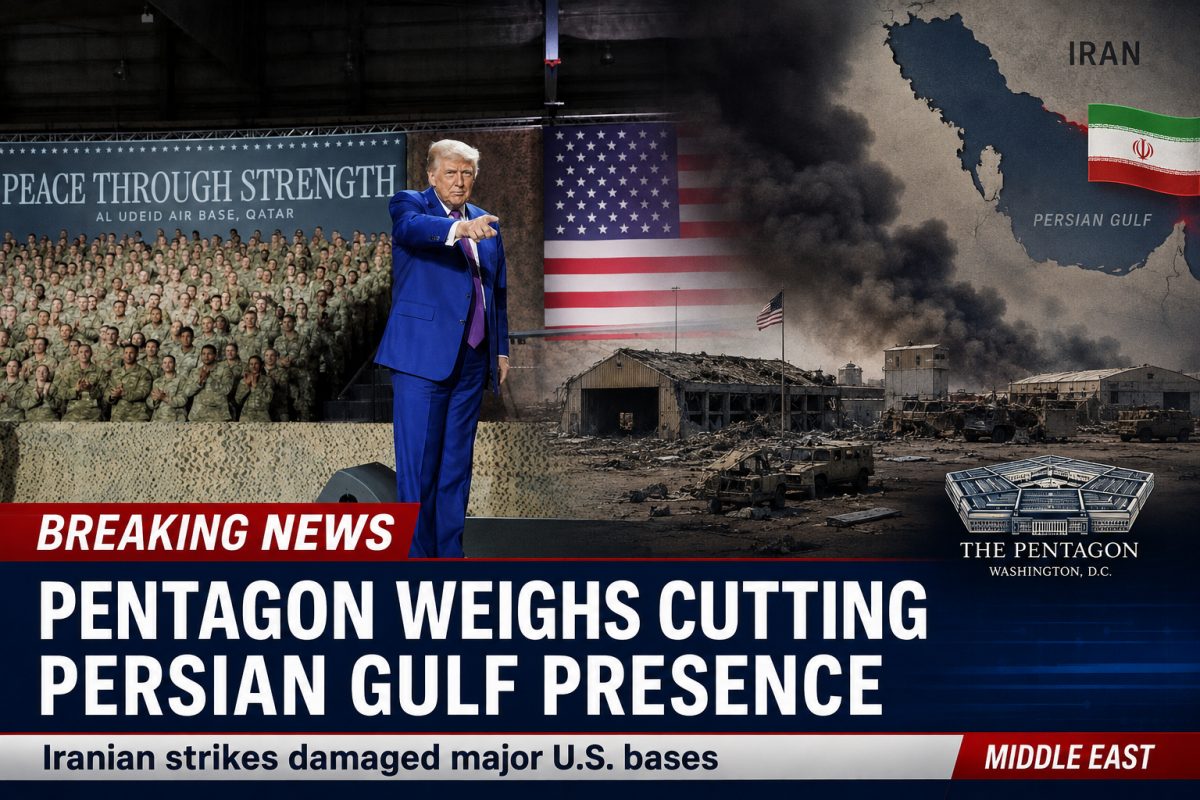
The Pentagon is assessing whether to reduce the U.S. military presence in the Persian Gulf after Iranian attacks during the recent war exposed vulnerabilities at major American bases, according to a Washington Post report published Tuesday. The newspaper, citing eight people including officials and others familiar with the matter, described the assessment as an early sign that the Iran war could transform the U.S. military posture across the Middle East. The evaluation is being led by the Pentagon's policy office, with the Joint Staff and U.S. Central Command also examining the issue, a senior Pentagon official told the Post.
At the time of publication, Defense Secretary Pete Hegseth had not ordered a formal review of the U.S. posture in the region, according to the report. That detail places the story firmly at the planning and deliberation stage rather than describing an announced policy change or troop withdrawal.
Iranian Strikes Reshape Pentagon Thinking on Gulf Bases
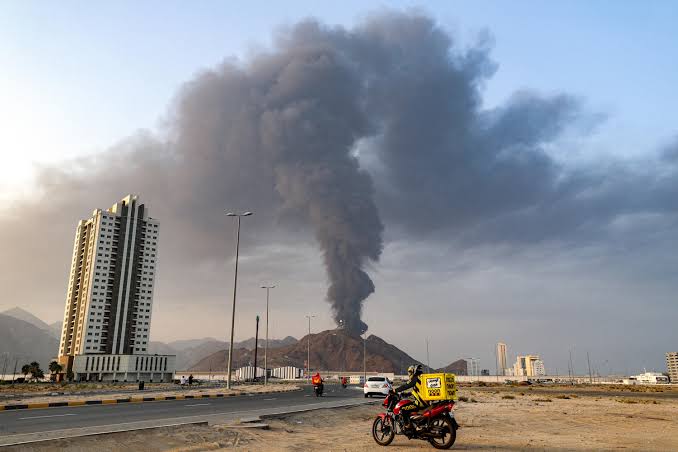
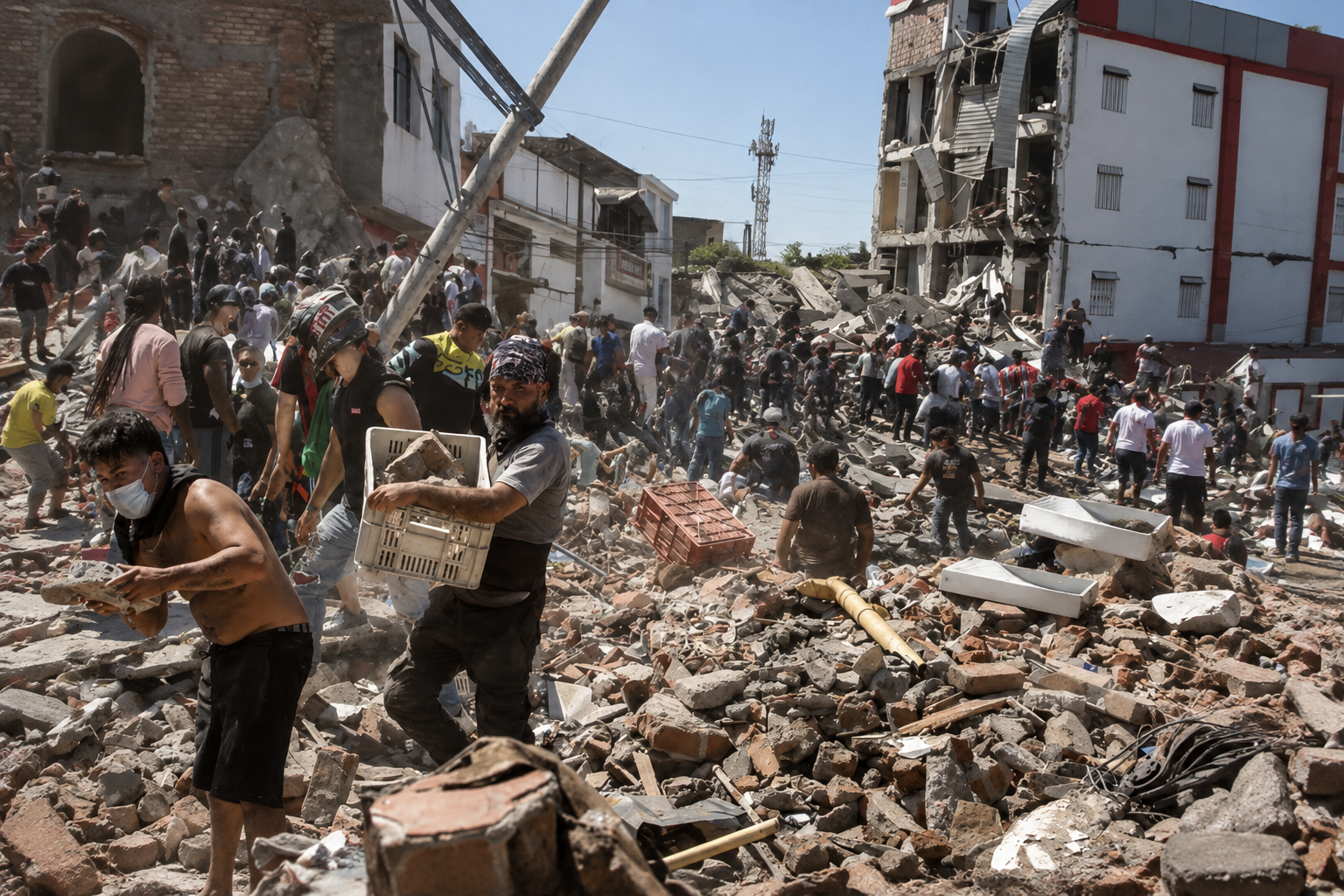
The review is directly tied to months of Iranian missile and drone strikes that battered U.S. installations across the Gulf during the war. According to the Washington Post's reporting, the damage inflicted on these bases has created what officials describe as a "once-in-a-generation" opportunity for the Pentagon to reconsider decades-old assumptions about where and how it stations forces in the region.
The scale of that damage was previously documented in earlier Washington Post reporting from May, which found that Iran had hit far more U.S. military assets than had been publicly reported, based on an analysis of satellite imagery. That earlier investigation established the backdrop against which the current evaluation is taking place.
Central to the internal debate is whether the Pentagon should rebuild damaged bases to their pre-war condition or instead treat the destruction as a reason to reduce or redistribute the American footprint. The Post's reporting indicates the Pentagon has signaled it may not restore some facilities to their previous state, suggesting officials increasingly view the war's damage as a catalyst rather than simply a problem to repair.
Options Range From Full Bases to Westward Shift
Defense officials are weighing a range of options, according to the reporting, including whether to maintain large, fixed installations within range of Iranian weapons or move toward a more dispersed posture. Secondary reporting on the story, including coverage from outlets describing the same Washington Post account, indicates that officials are discussing shifting some forces west toward Jordan, Israel or Saudi Arabia rather than concentrating personnel and equipment in the most exposed Gulf locations.
Separate coverage from Fox News described the debate in similar terms, framing it as a rethink of a decades-old Middle East basing strategy following weeks of Iranian missile and drone attacks that exposed the vulnerability of major installations. That characterization aligns with the Washington Post's central finding that officials are questioning whether large, permanent bases still make strategic sense given the demonstrated reach of Iranian weapons.
Outside voices have also entered the debate. Defense Priorities, a think tank that advocates military restraint, has issued a policy proposal calling for the closure of U.S. bases within close striking range of Iran's missiles and drones, including facilities in Kuwait, and for relocating forces currently dispersed across the United Arab Emirates, Jordan and Bahrain. That proposal reflects one strand of outside policy advocacy feeding into a broader conversation, though it is distinct from the Pentagon's own internal assessment.
Part of a Broader Pattern of Regional Pullback
This is not the first instance of the Pentagon adjusting its regional posture amid the conflict. Earlier Washington Post reporting from January detailed how the Pentagon initiated a precautionary withdrawal of personnel and equipment from critical facilities in the region, including a pullback of resources from Al Udeid Air Base in Qatar, where the U.S. maintains a fleet of bombers, tankers and fighters. That earlier movement came as officials weighed military options during a period of heightened tension with Iran.
The current evaluation also comes as the Pentagon grapples with financial pressure tied to the war. A separate Washington Post report from July detailed a budget shortfall attributed largely to the cost of the Iran conflict, with lawmakers and officials warning that some funding lines were at risk of running out within weeks. That financial strain adds another layer of context to why the Pentagon may be reconsidering the cost of maintaining and rebuilding large fixed installations in the Gulf.
Gulf Partners Watch Deliberations Closely
The assessment also unfolds against a backdrop of regional sensitivity. Earlier Washington Post reporting from March found that Gulf partners, while initially wary of the conflict with Iran, later expressed concern that a rushed resolution could create further instability. That dynamic underscores the stakes for regional governments as the Pentagon weighs whether to scale back its presence in territory those same partners host.
For now, officials caution that no final decision has been made by Hegseth or the White House. The Washington Post's sourcing describes internal deliberations among unnamed officials, meaning the account is credible but still provisional. Multiple outlets, including the Times of Israel, Middle East Eye and Ynetnews, have echoed the same core reporting, reinforcing that the review is real and active, even as its ultimate outcome remains undetermined.