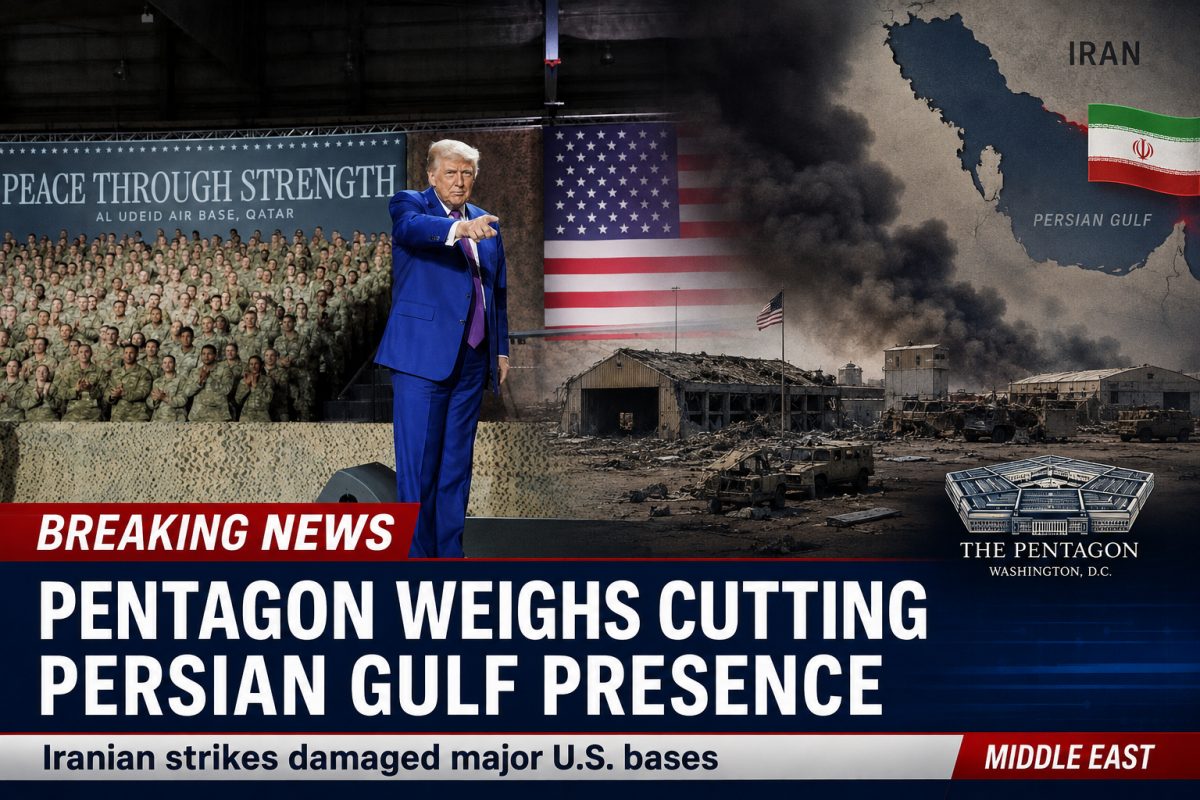
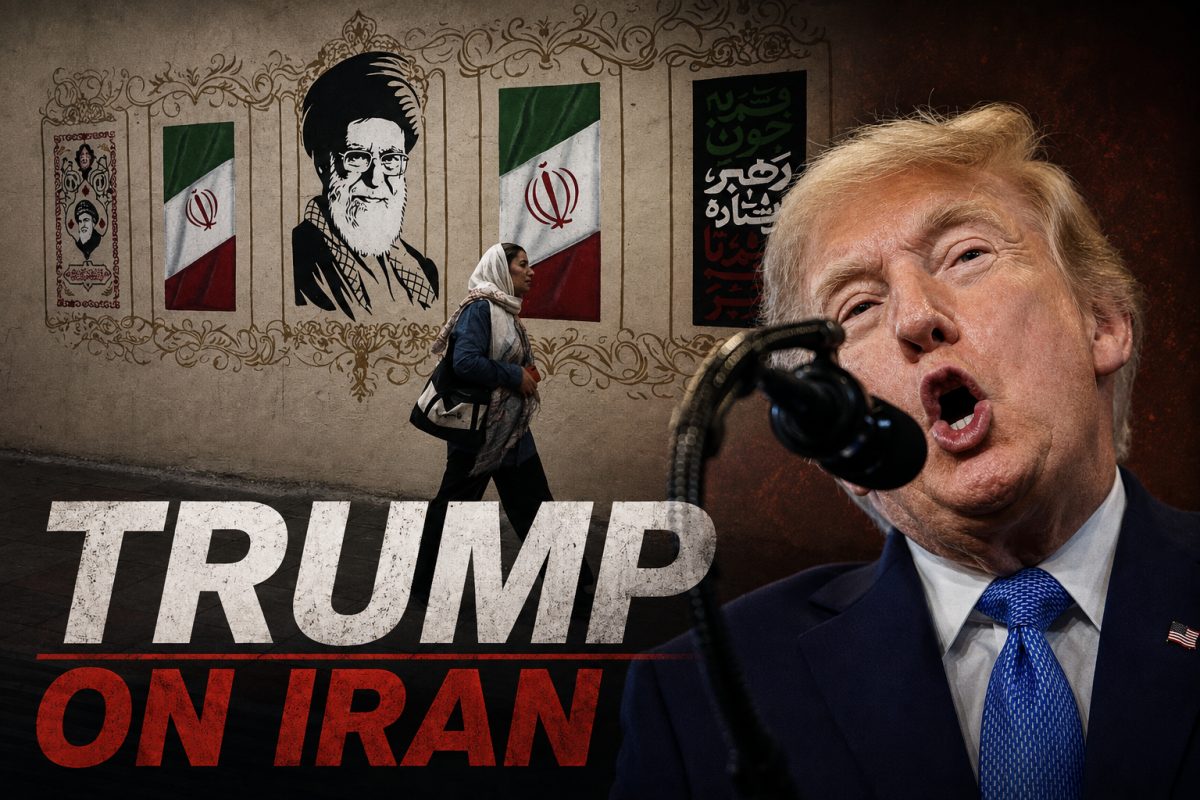

The ceasefire framework signed at Versailles in June has effectively collapsed, leaving President Trump without the war-ending deal he promised.
Sixty days after President Donald Trump signed a memorandum of understanding with Iran at a dinner beside French President Emmanuel Macron at the Palace of Versailles, the deadline for a comprehensive peace agreement expired Monday, August 17, 2026, without a deal, according to reporting from The Washington Post, NBC News and The New York Times. The agreement, which Trump declared would mark "the beginning of the end" of the U.S. conflict with Iran, established an interim ceasefire and gave both sides 60 days to negotiate a permanent end to the war, a settlement over Iran's nuclear program, and a resolution to disputes over the Strait of Hormuz. None of those goals were met by the deadline.
Instead of a breakthrough, the two countries find themselves further apart than they were when the memorandum was signed, according to NBC News. The New York Times reported that the deadline's expiration was "largely symbolic," since both Trump and Iranian leaders had already signaled privately that the deal was basically dead. Inside the White House, officials acknowledged that the 60-day timeline was no longer relevant because the agreement had become essentially defunct.
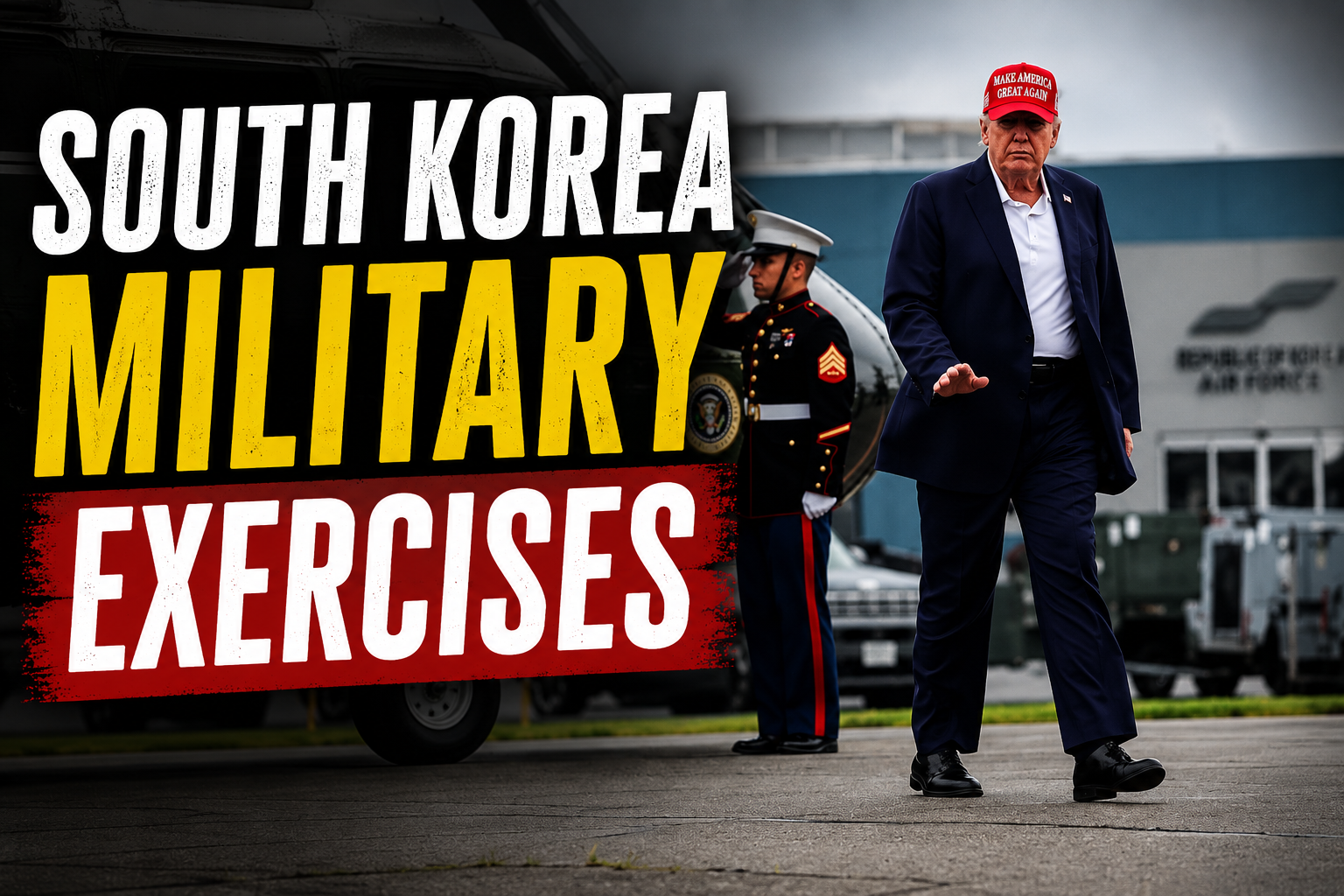
Trump Orders Pentagon to Scale Back South Korea Military Exercises Over Iran Dispute
The Versailles Agreement and Its Broken Promises
The memorandum signed in June called for a halt to all military operations between the U.S. and Iran while negotiators worked toward a lasting settlement. Beyond the ceasefire, the deal outlined ambitious economic commitments, including a plan for at least $300 billion in reconstruction and development funds for Iran and sanctions waivers that would have allowed Tehran to resume selling oil on global markets. It also proposed a dialogue between Iran and Oman over the operational management of the Strait of Hormuz.
None of these provisions have materialized as envisioned. The Trump administration has publicly stepped back from several of its own commitments, including the reconstruction package and the sanctions relief, according to reporting cited by the Inquirer. These reversals have hardened Iranian demands and further eroded trust between the two sides, making any near-term compromise increasingly unlikely.
Nuclear Talks Stall as Deadline Passes Unmarked
Perhaps the most consequential failure lies in the nuclear file. The New York Times reported that the United States and Iran missed their 60-day deadline to reach a deal curtailing Iran's nuclear program under the terms of the June ceasefire. NBC News went further, noting there has been no sign that detailed nuclear talks have even begun, let alone progressed toward an agreement.
This stalled diplomacy comes after earlier failed attempts to broker peace. In April, 21 hours of talks in Pakistan failed to produce an agreement to end the war, with then-Vice President JD Vance acknowledging the impasse and casting doubt on the durability of a two-week ceasefire in place at the time. That pattern of collapsed negotiations set the stage for the Versailles memorandum, which itself has now followed the same trajectory.
War Shifts to Economic Battlefield as Hormuz Remains Shut
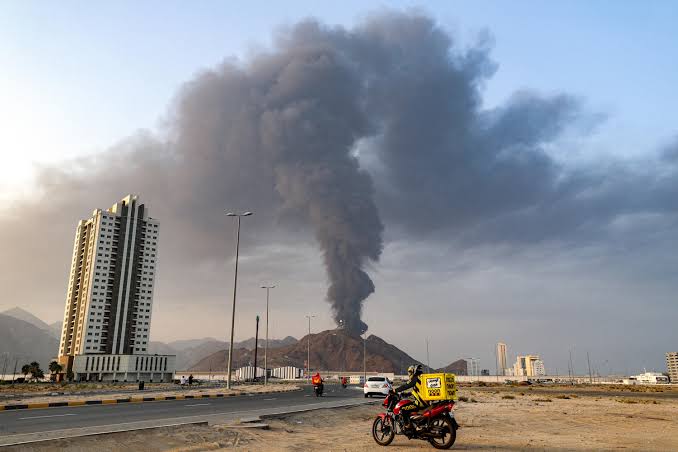
Rather than winding down, the conflict has morphed into what The New York Times described as a contest of economic endurance. The Strait of Hormuz remains largely closed, disrupting global shipping and energy markets, while the United States has resumed its blockade of Iranian ports. This shift toward sanctions, blockades and financial pressure recalls earlier American strategies that relied on economic coercion rather than direct military confrontation.
A Washington Post opinion piece from June had already flagged the drift toward an open-ended conflict, noting that limited strikes between U.S. and Iranian forces continued even as Trump suggested an agreement was near. A separate Washington Post report from late June observed that Iran's wartime gains were complicating the nuclear talks, giving Tehran leverage that has made U.S. negotiators' task more difficult.
Political Stakes Rise as Midterms Approach
The unresolved war carries significant domestic political weight. The Inquirer's coverage noted that the deadline's expiration comes 78 days before U.S. elections that will determine control of Congress, adding pressure on Trump as he confronts the kind of open-ended conflict he once claimed he was uniquely equipped to avoid.
Congressional dynamics have also come into play. House Speaker Mike Johnson publicly insisted the United States is "not at war" with Iran as the conflict approached the 60-day mark under the 1973 War Powers Resolution, a threshold that would otherwise require the president to withdraw military forces absent congressional authorization. A senior administration official separately told NBC News that, for War Powers Resolution purposes, hostilities that began in late February had already terminated, an argument aimed at sidestepping that legal deadline even as economic and limited military pressure on Iran continues.
With no comprehensive peace deal, no nuclear accord and the Strait of Hormuz still disrupted, Trump enters the election season carrying the weight of an unresolved war and a high-profile diplomatic initiative that has failed to deliver on its promise.